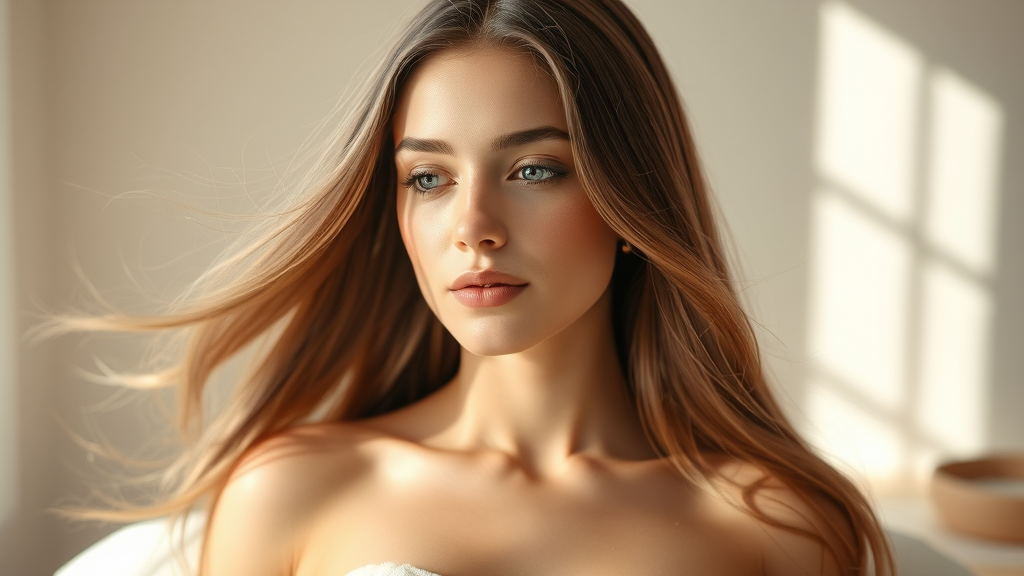
Your hair is more than just a physical feature—it’s an extension of your identity, a source of confidence, and often a reflection of how you feel about yourself. When your tresses become unruly, damaged, or difficult to manage, it can impact not just your appearance but your overall well-being and self-esteem. The frustration of dealing with frizzy, damaged, or chemically-treated hair can create daily stress and affect how you present yourself to the world.
Enter the transformative world of smoothing therapy for hair—a revolutionary approach that goes beyond traditional treatments to restore your hair’s natural beauty and manageability. This comprehensive treatment method combines advanced techniques with nourishing ingredients to address the root causes of hair damage, providing long-lasting results that can dramatically improve both the health of your hair and your confidence. Whether you’re dealing with chemical damage, environmental stress, or simply want to enhance your hair’s natural texture, smoothing therapy offers a path to the lustrous, manageable locks you’ve always desired.
Understanding Smoothing Therapy
Smoothing therapy hair treatment represents a paradigm shift in hair care, moving beyond surface-level solutions to address the structural integrity of your hair. This innovative approach works at the molecular level, penetrating the hair cuticle to repair damage from within while creating a protective barrier against future environmental and chemical stressors. Unlike traditional conditioning treatments that provide temporary results, smoothing therapy creates lasting change by actually restructuring damaged hair bonds and sealing the cuticle for enhanced shine and manageability.
The science behind smoothing therapy lies in its ability to fill in microscopic gaps in the hair shaft caused by heat styling, chemical processing, and environmental damage. These treatments typically utilize advanced formulations containing proteins, amino acids, and conditioning agents that work synergistically to rebuild the hair’s structure. The process involves applying specially formulated products that penetrate deeply into the hair cortex, where they form new bonds and strengthen existing ones, resulting in smoother, stronger, and more resilient hair.
What sets smoothing therapy apart from other hair treatments is its holistic approach to hair health. Rather than simply coating the hair with temporary shine-enhancing products, these treatments work to restore the hair’s natural moisture balance, improve elasticity, and enhance the overall health of each strand. This comprehensive approach ensures that the benefits extend far beyond the initial treatment, providing ongoing improvement in hair texture, manageability, and appearance.

The Transformative Benefits of Smoothing Therapy
The benefits of smoothing therapy extend far beyond mere aesthetic improvements, offering a complete transformation that can positively impact your daily routine and self-confidence. One of the most immediate and noticeable benefits is the dramatic reduction in styling time. Hair that has undergone smoothing therapy becomes significantly more manageable, requiring less heat styling and fewer products to achieve your desired look. This not only saves valuable time in your daily routine but also reduces the ongoing damage caused by excessive heat styling and chemical products.
From a health perspective, smoothing therapy provides substantial protection against environmental stressors that contribute to hair damage. The treatment creates a protective barrier that shields your hair from humidity, pollution, and UV radiation, all of which can cause fading, drying, and structural damage over time. This protection is particularly beneficial for individuals living in harsh climates or urban environments where environmental stressors are more prevalent.
The psychological benefits of smoothing therapy are equally significant. Many individuals report increased confidence and reduced anxiety about their appearance after undergoing treatment. The knowledge that your hair will look consistently good, regardless of weather conditions or time constraints, can provide a tremendous boost to self-esteem and overall well-being. This confidence boost often extends to other areas of life, as feeling good about your appearance can positively impact professional interactions, social situations, and personal relationships.
Similar to how other therapeutic treatments like silk therapy hair treatment work to restore and enhance natural beauty, smoothing therapy addresses both the physical and emotional aspects of hair care. The long-term benefits include improved hair strength, reduced breakage, enhanced shine, and better color retention for chemically treated hair. These cumulative effects create a positive cycle where healthier hair requires less intervention, leading to even better results over time.
Types of Smoothing Treatments Available
The world of smoothing therapy offers a diverse range of treatment options, each designed to address specific hair types, concerns, and desired outcomes. Understanding these different approaches can help you make an informed decision about which treatment best suits your individual needs and lifestyle. The most popular and widely recognized smoothing treatments include keratin treatments, Brazilian blowouts, and protein-based smoothing systems, each offering unique benefits and characteristics.
Keratin treatments represent the gold standard in smoothing therapy, utilizing the hair’s natural protein to rebuild and strengthen damaged strands. These treatments work by infusing the hair with keratin, the same protein that naturally occurs in healthy hair, filling in gaps and smoothing the cuticle for enhanced manageability and shine. The process typically involves applying a keratin solution to clean, damp hair, followed by heat sealing to ensure deep penetration and lasting results. The benefits of keratin treatments can last anywhere from three to six months, depending on hair type and aftercare practices.
Brazilian blowouts offer a more intensive smoothing experience, utilizing a unique combination of proteins and conditioning agents to create dramatic smoothing results. This treatment is particularly effective for individuals with extremely curly, coarse, or chemically damaged hair, providing significant reduction in volume and curl while maintaining the hair’s natural movement and body. The treatment process involves multiple steps, including cleansing, treatment application, heat sealing, and final styling, resulting in immediately visible improvements in texture and manageability.
Protein-based smoothing systems focus on rebuilding the hair’s structural integrity through targeted protein infusion. These treatments are ideal for individuals with fine or fragile hair, as they provide strengthening benefits without weighing the hair down or creating excessive smoothness that might eliminate natural volume. The gentle nature of protein-based systems makes them suitable for frequent use and ideal for maintaining the results of more intensive treatments.
The Treatment Process: What to Expect
Understanding the smoothing therapy process can help alleviate any anxiety and ensure you’re fully prepared for your treatment experience. The journey typically begins with a comprehensive consultation where a professional assesses your hair type, damage level, and desired outcomes. This initial evaluation is crucial for determining the most appropriate treatment method and setting realistic expectations for results. During this consultation, you’ll discuss your hair history, including previous chemical treatments, styling habits, and any specific concerns or goals you have for your hair.
The actual treatment process varies depending on the specific type of smoothing therapy chosen, but most follow a similar general structure. The session typically begins with a clarifying shampoo to remove any product buildup and prepare the hair for treatment. This deep cleansing step is essential for ensuring optimal penetration of the smoothing products. Following the cleansing phase, the hair is towel-dried to the appropriate moisture level for product application.
The application phase is where the magic happens. The smoothing solution is carefully applied section by section, ensuring even distribution and complete coverage. This process requires skill and experience to achieve optimal results, as the application technique can significantly impact the final outcome. The treatment is then allowed to process for a specified time, during which the active ingredients penetrate the hair shaft and begin their transformative work.
Heat sealing represents a crucial step in most smoothing treatments, where controlled heat is applied to lock in the treatment and create lasting bonds within the hair structure. This process typically involves blow-drying followed by flat ironing at specific temperatures, depending on the treatment type and hair condition. The final phase includes styling and finishing touches to showcase the immediate results of the treatment. Just as other therapeutic approaches like collagen induction therapy treatment require professional expertise for optimal results, smoothing therapy benefits significantly from professional application and technique.

Aftercare and Maintenance for Optimal Results
The success of your smoothing therapy treatment extends far beyond the salon chair, requiring dedicated aftercare and maintenance to preserve and maximize your results. Proper aftercare begins immediately following your treatment and continues throughout the life of your smoothing therapy. The first 48-72 hours are particularly critical, as this is when the treatment continues to set and bond with your hair structure. During this initial period, it’s essential to avoid washing your hair, using hair accessories that might leave impressions, or engaging in activities that might cause excessive sweating or moisture exposure.
Selecting the right hair care products is crucial for maintaining your smoothing therapy results. Sulfate-free shampoos and conditioners are strongly recommended, as sulfates can strip away the treatment and reduce its longevity. Look for products specifically formulated for chemically treated or smoothing-treated hair, as these contain ingredients that support and enhance the treatment rather than working against it. Deep conditioning treatments should be incorporated into your routine weekly to maintain moisture balance and hair health.
Heat styling practices should be adjusted to protect your investment in smoothing therapy. While the treatment makes your hair more resilient to heat damage, using appropriate heat protectants and avoiding excessive temperatures will help preserve the treatment and maintain hair health. When possible, embrace air-drying or low-heat styling methods to minimize stress on your treated hair. The goal is to work with your newly smoothed hair texture rather than fighting against it with excessive styling.
Regular maintenance appointments are essential for preserving your smoothing therapy results and maintaining optimal hair health. Most treatments require touch-ups every three to six months, depending on hair type, growth rate, and lifestyle factors. These maintenance sessions help address new growth and refresh the treatment on previously treated hair, ensuring consistent results throughout your hair’s length. Establishing a relationship with a skilled professional who understands your hair’s specific needs and treatment history is invaluable for long-term success.
Choosing the Right Treatment for Your Hair Type
Selecting the most appropriate smoothing therapy for your unique hair type and needs is crucial for achieving optimal results and satisfaction with your treatment. Different hair types respond differently to various smoothing methods, and understanding these nuances can help you make an informed decision that aligns with your goals and lifestyle. Fine hair, for example, requires a different approach than thick, coarse hair, as the treatment intensity and formulation must be adjusted to avoid over-processing or weighing down the hair.
For individuals with fine or thin hair, gentle protein-based smoothing treatments often provide the best results without compromising volume or creating an unnatural appearance. These treatments focus on strengthening and smoothing without excessive weight, maintaining the hair’s natural body while improving manageability. The key is finding the right balance between smoothing benefits and maintaining the hair’s natural movement and texture.
Thick, coarse, or extremely curly hair typically benefits from more intensive smoothing treatments such as keratin therapy or Brazilian blowouts. These hair types can handle stronger formulations and often require more dramatic intervention to achieve significant smoothing results. The robust nature of thick hair allows for more aggressive treatments that might be too intense for finer hair types, providing the dramatic transformation that many individuals with challenging hair textures seek.
Chemically treated or damaged hair requires special consideration when choosing a smoothing therapy. Hair that has been previously colored, permed, or relaxed may have compromised structural integrity, requiring gentler formulations or preparatory treatments to ensure safe and effective results. In some cases, a series of protein treatments or deep conditioning sessions may be necessary before smoothing therapy to restore the hair’s health and prepare it for treatment. This approach mirrors the careful preparation required for other cosmetic procedures, such as laser therapy for stretch marks, where skin condition must be optimized before treatment.
Consider your lifestyle and maintenance preferences when choosing a smoothing treatment. Some treatments require more stringent aftercare and maintenance routines, while others offer more flexibility in terms of styling and product use. If you prefer low-maintenance hair care or have a busy lifestyle, opt for treatments that offer longer-lasting results with minimal upkeep requirements. Conversely, if you enjoy experimenting with different styles and products, you might prefer treatments that offer more versatility in terms of styling options.
Professional vs. Home Treatments
The debate between professional and at-home smoothing treatments is an important consideration for anyone exploring smoothing therapy options. While both approaches have their merits, understanding the significant differences in results, safety, and long-term value can help you make the best decision for your hair and budget. Professional treatments offer several distinct advantages that are difficult to replicate at home, beginning with the expertise and experience of trained professionals who understand the intricacies of different hair types and treatment methods.
Professional smoothing treatments utilize salon-grade products that are often more potent and effective than consumer-available alternatives. These professional formulations are designed to provide superior results and longer-lasting benefits, often incorporating advanced ingredients and technologies that aren’t available in retail products. Additionally, professional treatments typically include multiple steps and techniques that require specialized knowledge and equipment to execute properly, such as precise temperature control during heat sealing and proper application methods that ensure even coverage and optimal results.
The safety aspect of professional treatments cannot be overstated, particularly when dealing with chemical formulations that can cause damage if used incorrectly. Professional stylists are trained to assess hair condition, select appropriate treatment strengths, and monitor the process to prevent over-processing or adverse reactions. They also have access to professional-grade neutralizing products and corrective treatments if issues arise during the process. This level of expertise and safety oversight is particularly important for individuals with previously treated or damaged hair.
Home smoothing treatments, while more convenient and cost-effective, come with limitations and risks that should be carefully considered. Consumer-grade smoothing products are generally milder and less effective than professional treatments, requiring more frequent application and often providing shorter-lasting results. The application process can be challenging for individuals without professional training, particularly when it comes to achieving even coverage and proper heat sealing. Improper application can result in uneven results, damage, or even injury from chemical exposure or excessive heat.
That said, home treatments can serve as effective maintenance tools between professional sessions or provide mild smoothing benefits for individuals with minimal hair concerns. Some high-quality at-home systems can deliver satisfactory results for individuals with healthy, minimally damaged hair who follow instructions carefully. The key is understanding the limitations and being realistic about expected outcomes compared to professional treatments. Similar to how red light therapy before and after results vary significantly between professional and home devices, smoothing treatments show marked differences in effectiveness and longevity depending on the treatment setting and expertise involved.
Frequently Asked Questions
How long do smoothing therapy results typically last?
Smoothing therapy results typically last between 3 to 6 months, depending on several factors including your hair type, the specific treatment used, and your aftercare routine. Fine hair may see results fade more quickly, around 3-4 months, while thick, coarse hair often maintains smoothing benefits for 4-6 months. Proper aftercare, including using sulfate-free products and avoiding excessive heat styling, can significantly extend the life of your treatment. Regular touch-up appointments help maintain optimal results and can sometimes extend the time between full treatments.
Is smoothing therapy safe for color-treated hair?
Yes, most smoothing therapy treatments are safe for color-treated hair and can actually help protect and extend color life by sealing the hair cuticle. However, timing is important—it’s generally recommended to wait at least two weeks after coloring before receiving smoothing therapy to allow the color to fully set. Some treatments may cause slight fading immediately after application, but this typically stabilizes within a few washes. Always inform your stylist about recent color treatments so they can adjust the process accordingly and recommend the most suitable treatment for your hair’s condition.
Can I wash my hair immediately after smoothing therapy?
No, most smoothing therapy treatments require a “no-wash” period of 48-72 hours following the treatment to allow the smoothing agents to fully bond with your hair. During this time, you should also avoid using hair accessories, clips, or ties that might leave impressions in your hair. Additionally, avoid activities that cause excessive sweating or moisture exposure, such as intense workouts or steam rooms. Following these guidelines is crucial for achieving optimal, long-lasting results from your smoothing therapy treatment.
Will smoothing therapy completely straighten my curly hair?
Smoothing therapy is designed to reduce frizz and improve manageability rather than completely straighten hair. While it will significantly smooth your hair texture and make it more manageable, it typically maintains some of your hair’s natural movement and body. The degree of straightening varies depending on your natural hair texture and the specific treatment used. If you want to maintain more of your natural curl pattern, discuss this with your stylist, as they can adjust the treatment intensity and technique to achieve your desired level of smoothing while preserving some natural texture.
How much does professional smoothing therapy typically cost?
The cost of professional smoothing therapy varies significantly based on location, salon reputation, hair length and thickness, and the specific treatment chosen. Generally, expect to pay between $150 to $600 for a full treatment, with keratin treatments typically ranging from $200-400 and more specialized treatments potentially costing more. While this represents a significant investment, many people find the time savings, improved hair health, and confidence boost make it worthwhile. Consider the cost per month by dividing the treatment price by its expected duration (3-6 months) to better understand the value proposition.
Can smoothing therapy damage my hair?
When performed correctly by a trained professional using quality products, smoothing therapy should not damage your hair. In fact, many treatments contain nourishing ingredients that can improve hair health and strength. However, improper application, using treatments on severely damaged hair, or failing to follow proper aftercare can potentially cause damage. It’s essential to choose a reputable salon with experienced stylists and to be honest about your hair’s history and condition during consultation. If your hair is severely damaged, your stylist may recommend preparatory treatments to restore hair health before smoothing therapy.
Are there any side effects or allergic reactions to consider?
While smoothing therapy is generally safe for most people, some individuals may experience sensitivity or allergic reactions to treatment ingredients. Common ingredients that may cause reactions include formaldehyde (found in some older formulations), proteins, and various conditioning agents. Symptoms might include scalp irritation, redness, or respiratory irritation during treatment. Most modern smoothing treatments use formaldehyde-free formulations to minimize these risks. Always inform your stylist of any known allergies or sensitivities, and consider requesting a patch test if you have concerns. If you experience any adverse reactions during or after treatment, contact your stylist and consider consulting with a healthcare professional if symptoms persist.