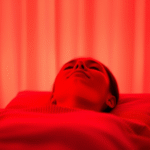
As pet owners, we constantly seek ways to improve our furry companions’ quality of life and overall wellbeing. Just as we explore various therapeutic approaches for our own health, innovative treatments like red light therapy are now making their way into veterinary care, offering promising benefits for our beloved dogs. This non-invasive, drug-free treatment has gained significant attention in recent years, not just for humans, but for our four-legged family members as well.
Red light therapy for dogs represents a gentle yet effective approach to addressing various health concerns, from joint pain and inflammation to wound healing and skin conditions. Understanding how this therapeutic modality works and its potential benefits can help you make informed decisions about your dog’s healthcare journey, working alongside your veterinary team to provide the best possible care for your companion.
Understanding Red Light Therapy for Dogs
Red light therapy, also known as photobiomodulation or low-level laser therapy, utilizes specific wavelengths of red and near-infrared light to stimulate cellular processes within the body. This therapeutic approach works by delivering light energy directly to cells, particularly targeting the mitochondria – the powerhouses of cellular function. When cells absorb this therapeutic light, it enhances their ability to produce energy (ATP), leading to improved cellular repair, reduced inflammation, and accelerated healing processes.
The science behind red light therapy is well-established, with numerous studies demonstrating its effectiveness across various medical applications. For dogs, this therapy operates on the same fundamental principles as it does for humans, making it a valuable tool in veterinary medicine. The treatment typically uses wavelengths between 660-850 nanometers, which penetrate tissue effectively without causing heat or damage to the skin surface.
Similar to laser therapy for dogs, red light therapy offers a non-invasive alternative to traditional medical interventions. However, it’s important to understand that while both therapies use light energy, they differ in their specific applications and intensity levels. Red light therapy generally provides a gentler approach that can be safely administered more frequently, making it an excellent option for ongoing wellness maintenance.
Health Benefits of Red Light Therapy for Canines
The therapeutic benefits of red light therapy for dogs are extensive and well-documented through both veterinary research and clinical experience. One of the most significant advantages is its ability to reduce inflammation throughout the body. Chronic inflammation is at the root of many canine health issues, including arthritis, skin conditions, and digestive problems. By targeting inflammatory processes at the cellular level, red light therapy can provide substantial relief and improve overall comfort.
Pain management represents another crucial benefit, particularly for senior dogs or those suffering from chronic conditions. The therapy works by stimulating the production of endorphins – the body’s natural pain-relieving chemicals – while also reducing the sensitivity of pain receptors. This dual action provides effective pain relief without the potential side effects associated with long-term medication use.
Enhanced circulation is another key advantage of red light therapy. Improved blood flow delivers more oxygen and nutrients to tissues while facilitating the removal of metabolic waste products. This enhanced circulation supports faster healing, reduces swelling, and promotes overall tissue health. For dogs recovering from injuries or surgeries, this improved circulation can significantly accelerate the healing process.
The therapy also demonstrates remarkable effectiveness in promoting wound healing and tissue repair. By stimulating collagen production and enhancing cellular regeneration, red light therapy can help wounds heal faster and with less scarring. This makes it particularly valuable for dogs with chronic wounds, hot spots, or surgical sites that require enhanced healing support.
Conditions That Can Be Treated
Red light therapy has shown effectiveness in treating a wide range of canine health conditions. Musculoskeletal issues, including arthritis, hip dysplasia, and general joint stiffness, respond particularly well to this treatment. The therapy’s anti-inflammatory properties help reduce joint swelling and pain, while improved circulation supports better joint mobility and function. Many pet owners report noticeable improvements in their dogs’ mobility and activity levels following consistent red light therapy sessions.
Skin conditions represent another area where red light therapy excels. Hot spots, dermatitis, allergic reactions, and minor wounds often heal more quickly with regular treatment. The therapy’s ability to reduce inflammation and promote cellular repair makes it an excellent complementary treatment for various dermatological issues. Additionally, the antimicrobial effects of certain wavelengths can help prevent secondary bacterial infections in compromised skin areas.
Post-surgical recovery is another important application for red light therapy. Following procedures such as spaying, neutering, or orthopedic surgeries, the therapy can help reduce post-operative pain, minimize swelling, and accelerate tissue healing. Many veterinary clinics now incorporate red light therapy into their post-surgical care protocols to enhance patient comfort and recovery outcomes.
Senior dogs with age-related cognitive changes may also benefit from red light therapy. Some research suggests that the therapy’s ability to enhance cellular energy production and reduce oxidative stress may support better cognitive function and overall neurological health. While more research is needed in this area, preliminary findings are promising for supporting aging dogs’ mental acuity and quality of life.

The Treatment Process: What to Expect
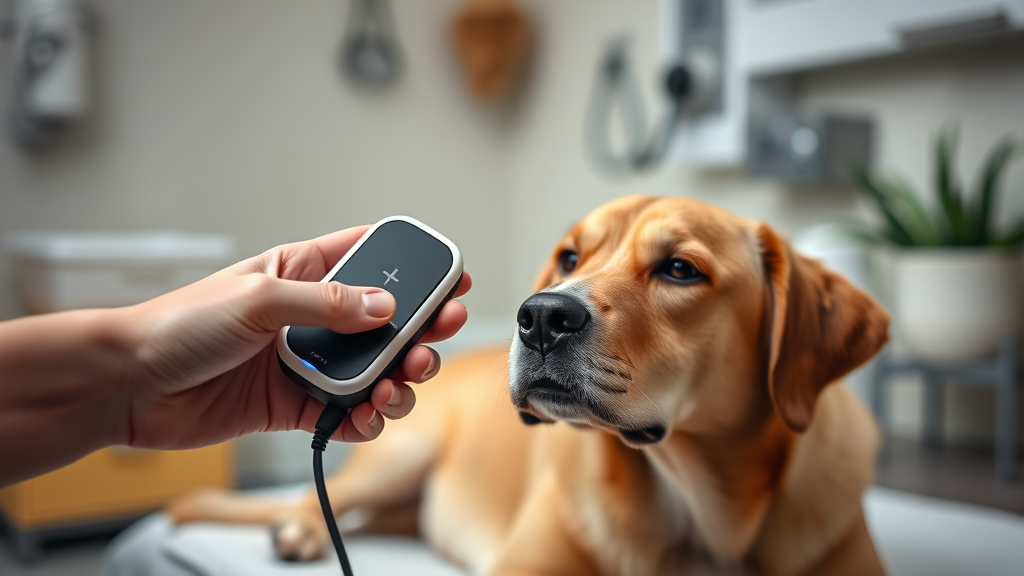
Understanding what happens during a red light therapy session can help both you and your dog feel more comfortable with the treatment process. Typically, sessions begin with a thorough assessment by a trained professional who will evaluate your dog’s specific condition and determine the most appropriate treatment protocol. The actual therapy involves positioning specialized LED panels or handheld devices at specific distances from the treatment area, ensuring optimal light penetration without causing discomfort.
Treatment sessions are generally quite relaxing for dogs, as the therapy produces no heat, sound, or uncomfortable sensations. Most dogs quickly become accustomed to the gentle light and may even find the sessions soothing. Session duration typically ranges from 10 to 30 minutes, depending on the condition being treated and the size of the treatment area. The frequency of treatments varies based on the specific health issue, with acute conditions often requiring daily sessions initially, while chronic conditions may benefit from 2-3 treatments per week.
Many pet owners are curious about red light therapy before and after results, and documentation of your dog’s progress can be valuable for tracking improvements. Your veterinary team may recommend taking photos, keeping mobility journals, or using pain scales to monitor your dog’s response to treatment over time.
Professional treatment facilities often use high-quality equipment that delivers consistent, therapeutic wavelengths. However, home treatment options are also available for ongoing maintenance therapy. When considering at-home treatment, it’s essential to work with your veterinary team to ensure proper protocol and equipment selection.
Safety Considerations and Precautions
While red light therapy is generally considered very safe for dogs, there are important safety considerations that must be observed to ensure optimal outcomes and prevent potential complications. Eye protection is paramount during treatment sessions, as direct exposure to therapeutic light can potentially damage retinal tissue. Professional treatment facilities always provide appropriate eye protection for both pets and humans present during sessions.
Certain medical conditions may contraindicate red light therapy or require special precautions. Dogs with active cancer should only receive red light therapy under strict veterinary supervision, as there are theoretical concerns about stimulating malignant cell growth. Additionally, pregnant dogs require careful evaluation before treatment, though red light therapy is generally considered safer than many pharmaceutical interventions during pregnancy.
Skin sensitivity can vary among individual dogs, and some may experience mild reactions to initial treatments. Starting with shorter session durations and gradually increasing exposure time can help minimize any potential sensitivity reactions. Dogs with very dark or thick coats may require longer treatment times or closer positioning of light sources to ensure adequate tissue penetration.
It’s crucial to work with qualified professionals who understand proper dosing protocols for canine patients. According to the National Institutes of Health, proper dosing is essential for therapeutic effectiveness, and this principle applies equally to veterinary applications.
Choosing the Right Equipment and Professional Care
When considering red light therapy for your dog, you have several options for accessing treatment, each with distinct advantages. Professional veterinary clinics and specialized therapy centers offer the most comprehensive approach, with trained staff, high-quality equipment, and the ability to integrate treatment with other therapeutic modalities. These facilities typically use medical-grade devices that deliver precise wavelengths and dosing protocols specifically designed for veterinary applications.
For those interested in at-home treatment options, several reputable manufacturers produce devices suitable for pet use. Joovv red light therapy devices are among the most well-known options, offering professional-grade panels that can be adapted for pet use. Similarly, Lifepro red light therapy panel systems provide reliable home treatment options with appropriate wavelength specifications.
When evaluating equipment options, consider factors such as wavelength accuracy, power output, treatment area coverage, and safety features. Quality devices should emit wavelengths between 660-850 nanometers with consistent power output and minimal heat production. Hooga red light therapy devices represent another reliable option for home use, offering various panel sizes and configurations to suit different treatment needs.
If you’re searching for professional services, looking for red light therapy near me can help you locate qualified practitioners in your area. When selecting a provider, inquire about their experience with canine patients, equipment specifications, and treatment protocols. A qualified practitioner should be able to explain the science behind the therapy and develop a customized treatment plan based on your dog’s specific needs.
Integrating Red Light Therapy into Your Dog’s Wellness Routine
Successfully incorporating red light therapy into your dog’s overall wellness plan requires thoughtful integration with existing care routines and treatments. This therapeutic approach works exceptionally well as a complementary treatment alongside conventional veterinary care, physical therapy, and other wellness interventions. The key is developing a comprehensive approach that addresses your dog’s unique health needs and lifestyle factors.
Consistency plays a crucial role in achieving optimal results with red light therapy. Whether you choose professional treatments or home-based sessions, establishing a regular schedule helps maximize therapeutic benefits. For chronic conditions such as arthritis, consistent treatment protocols often yield better long-term outcomes than sporadic sessions. Working with your veterinary team to develop an appropriate schedule ensures that treatment frequency aligns with your dog’s specific condition and response patterns.
Combining red light therapy with other wellness practices can enhance overall effectiveness. For example, gentle exercise or physical therapy sessions following red light treatment may help maximize mobility improvements. Similarly, incorporating massage or other manual therapies can complement the circulation-enhancing effects of light therapy. The Mayo Clinic emphasizes the importance of multimodal approaches to managing chronic conditions, and this principle applies equally to canine care.
Monitoring your dog’s response to treatment helps optimize protocols and ensure continued effectiveness. Keep detailed records of treatment sessions, including duration, frequency, and any observed changes in behavior, mobility, or comfort levels. This documentation can be valuable for your veterinary team in adjusting treatment plans and assessing long-term outcomes. Many pet owners find that maintaining a treatment journal helps them notice subtle improvements that might otherwise go unnoticed.
Frequently Asked Questions
How long does it take to see results from red light therapy in dogs?
Most dogs begin showing improvements within 2-4 weeks of consistent treatment, though some may notice changes sooner. Acute conditions often respond more quickly than chronic issues, with some dogs experiencing relief after just a few sessions. For chronic conditions like arthritis, significant improvements typically become apparent after 4-6 weeks of regular treatment. The timeline can vary based on factors such as the severity of the condition, the dog’s age and overall health, and the consistency of treatment sessions.
Is red light therapy safe for all dog breeds and sizes?
Red light therapy is generally safe for dogs of all breeds and sizes when administered properly. However, certain considerations apply to different dogs. Larger dogs may require longer treatment sessions or multiple treatment areas to achieve optimal results, while smaller dogs typically need shorter exposure times. Dogs with very thick or dark coats may need adjusted protocols to ensure adequate light penetration. Always consult with a veterinary professional before beginning treatment, especially for dogs with underlying health conditions.
Can red light therapy replace traditional veterinary treatments?
Red light therapy should be viewed as a complementary treatment rather than a replacement for conventional veterinary care. While it can significantly enhance healing and provide substantial benefits, it works best when integrated with appropriate medical treatments, medications, and other therapeutic interventions as recommended by your veterinarian. Psychology Today notes that light therapies are most effective when used as part of comprehensive treatment approaches.
What are the potential side effects of red light therapy for dogs?
Red light therapy has minimal side effects when administered correctly. The most common concern is potential eye damage from direct light exposure, which is why proper eye protection is essential during sessions. Some dogs may experience mild skin sensitivity initially, particularly those with very sensitive skin or certain medical conditions. Rarely, dogs may show temporary increased activity in the treated area as circulation improves. Serious side effects are extremely uncommon when proper protocols are followed.
How much does red light therapy for dogs typically cost?
The cost of red light therapy varies significantly depending on whether you choose professional treatments or home equipment. Professional sessions typically range from $50-150 per session, with package deals often available for multiple treatments. Home devices represent a larger initial investment, ranging from $200-2000 depending on the quality and size of the equipment, but can provide long-term cost savings for ongoing treatment needs. Many pet insurance policies are beginning to cover complementary therapies, so check with your provider about potential coverage.
Can I use human red light therapy devices on my dog?
While the fundamental principles are the same, it’s important to use appropriate protocols when using human devices for dogs. Many human red light therapy devices can be safely used for pets, but treatment times, distances, and positioning may need adjustment. The American Psychological Association emphasizes the importance of proper dosing in light therapy applications. Always consult with a veterinary professional before using any device on your pet to ensure appropriate treatment parameters and safety measures.
Are there any dogs that should not receive red light therapy?
While red light therapy is generally very safe, certain conditions may require special consideration or contraindicate treatment. Dogs with active cancer should only receive treatment under strict veterinary supervision. Pregnant dogs require careful evaluation, though red light therapy is generally considered safer than many alternatives. Dogs with certain eye conditions or those taking photosensitizing medications may need modified protocols or alternative treatments. Always discuss your dog’s complete medical history with a qualified professional before beginning red light therapy treatments.