In our fast-paced, technology-driven world, many of us have lost touch with one of nature’s most fundamental healing elements: the simple, profound power of green. While various light therapies have gained popularity in recent years, green leaves therapy represents a unique approach that combines the therapeutic benefits of green light wavelengths with the natural healing properties found in living plant environments. This emerging wellness practice offers a gentle, accessible path to mental and physical restoration.
Green leaves therapy encompasses both the visual and environmental benefits of surrounding ourselves with lush, green foliage while harnessing the specific wavelengths of green light that promote healing. Unlike artificial light treatments, this approach integrates the full spectrum of benefits that come from connecting with living plants, creating a holistic therapeutic experience that addresses stress, anxiety, and overall well-being in a natural, sustainable way.
Understanding Green Leaves Therapy
Green leaves therapy is a therapeutic approach that harnesses the healing properties of green wavelengths of light, typically ranging from 495 to 570 nanometers, in conjunction with the presence of living plants and foliage. This practice recognizes that the color green has been evolutionarily significant for human well-being, as our ancestors spent countless generations surrounded by green environments that provided safety, sustenance, and shelter.
The therapy works on multiple levels simultaneously. Visually, the color green has been scientifically proven to have calming effects on the nervous system, helping to reduce stress hormones and promote relaxation. When combined with the presence of actual living plants, the therapy gains additional benefits from improved air quality, increased humidity, and the release of beneficial compounds called phytoncides that trees and plants naturally emit.
Unlike traditional green light therapy devices that rely solely on artificial LED lights, green leaves therapy incorporates the full ecosystem of benefits that come from living plants. This includes the subtle movements of leaves, the natural variations in green tones and textures, and the psychological benefits of caring for living organisms.
The Science Behind Green Healing
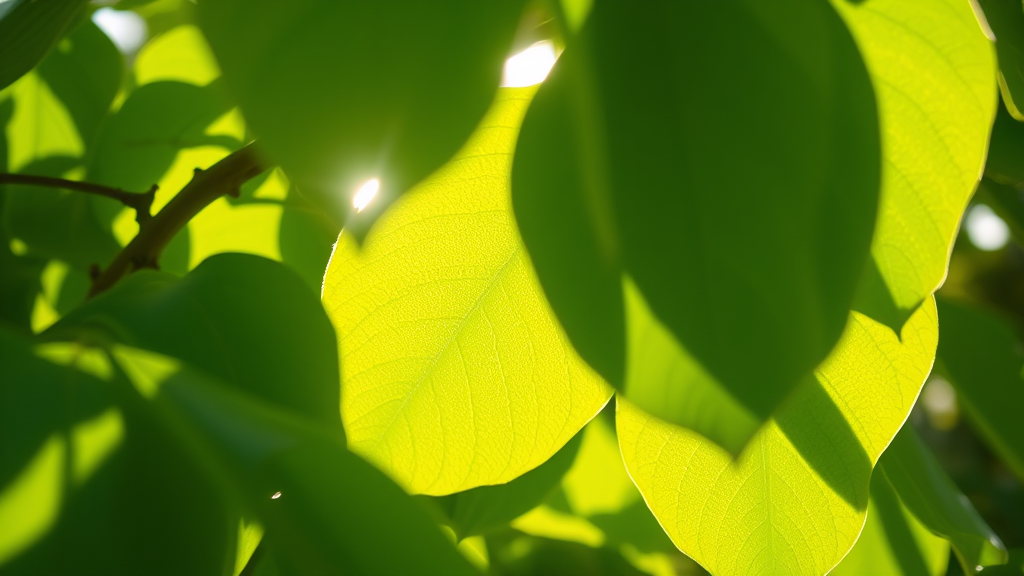
Research in environmental psychology and chromotherapy has revealed fascinating insights into how green wavelengths affect our physiology and mental state. Studies conducted by the National Institutes of Health have demonstrated that exposure to green environments can significantly reduce cortisol levels, lower blood pressure, and improve overall mood regulation.
The mechanisms behind green leaves therapy involve several interconnected systems in the body. The visual cortex processes green wavelengths in a way that promotes alpha brain wave activity, associated with relaxed alertness and creative thinking. Additionally, the autonomic nervous system responds to green environments by shifting toward parasympathetic dominance, which promotes rest, digestion, and healing.
Plant biology also plays a crucial role in the therapeutic effects. Living plants engage in a continuous process of photosynthesis, absorbing carbon dioxide and releasing oxygen, which can improve the quality of indoor air. They also release negative ions, which have been linked to improved mood and cognitive function. The presence of plants has been shown to increase humidity levels naturally, which can benefit respiratory health and skin condition.
Therapeutic Benefits of Green Leaves Therapy
The therapeutic benefits of green leaves therapy extend across multiple dimensions of health and well-being. Mental health benefits include significant reductions in anxiety and depression symptoms, improved focus and concentration, and enhanced emotional regulation. The calming effect of green wavelengths helps activate the body’s relaxation response, making it particularly effective for individuals dealing with chronic stress or trauma.
Physical health benefits are equally impressive. Regular exposure to green leaves therapy environments has been associated with lower blood pressure, improved immune function, and better sleep quality. The negative ions released by plants can help reduce symptoms of seasonal affective disorder and improve overall energy levels. For individuals recovering from illness or injury, green environments have been shown to accelerate healing processes and reduce the need for pain medication.
Cognitive benefits include improved memory formation, enhanced creative thinking, and better problem-solving abilities. The restorative effect of green environments helps combat mental fatigue and attention deficit issues, making it particularly valuable for individuals in high-stress occupations or academic settings.
Implementation Methods and Techniques
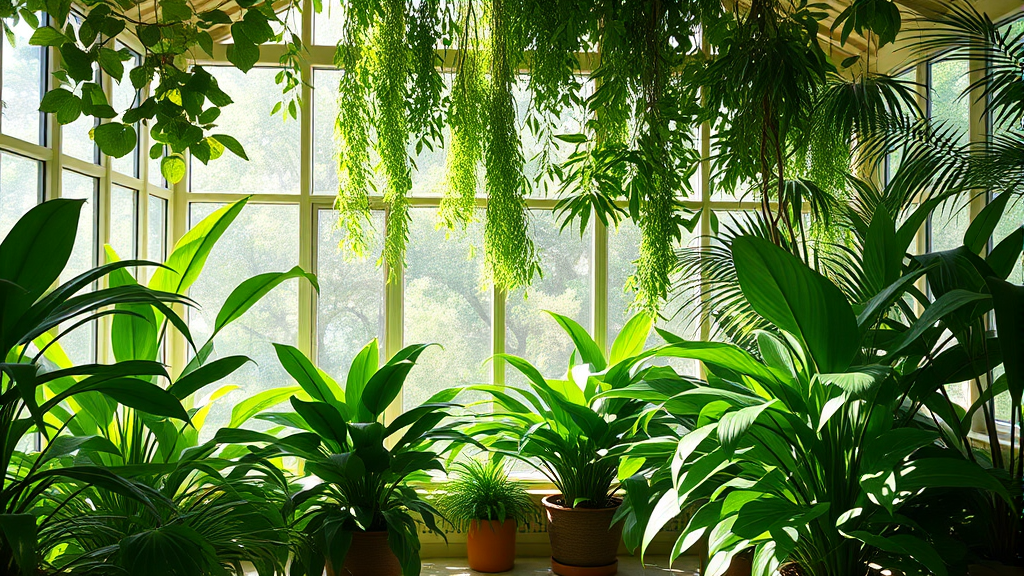
Implementing green leaves therapy can take many forms, from simple houseplant arrangements to sophisticated therapeutic gardens. The most accessible approach involves creating green spaces in living and working environments through strategic placement of plants with varying shades and textures of green foliage. Plants such as pothos, peace lilies, snake plants, and fiddle leaf figs are particularly effective due to their robust green coloration and air-purifying qualities.
For more structured therapeutic applications, guided green leaf meditation sessions can be incorporated into daily routines. This involves spending focused time observing the intricate patterns, textures, and movements of leaves while practicing mindful breathing techniques. The combination of visual engagement with living plants and mindfulness practices creates a powerful synergy for stress reduction and emotional healing.
Professional settings can implement green leaves therapy through biophilic design principles, incorporating living walls, indoor gardens, and strategically placed planters throughout therapeutic spaces. This approach has been successfully implemented in hospitals, counseling centers, and wellness facilities with remarkable results in patient outcomes and staff well-being.
Creating Your Own Green Healing Space
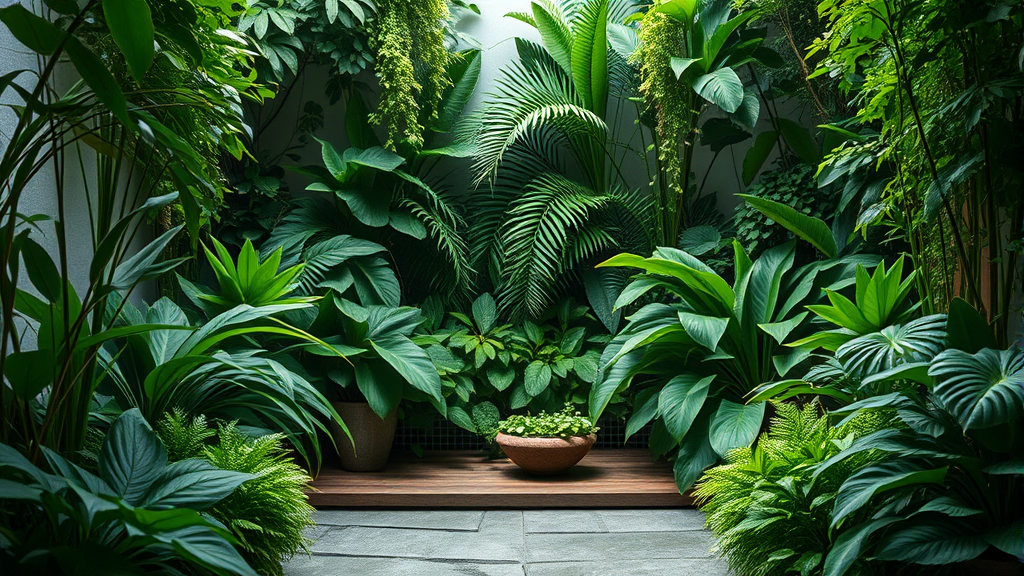
Designing an effective green leaves therapy space requires careful consideration of lighting, plant selection, and spatial arrangement. Natural light is ideal, but full-spectrum LED grow lights can supplement or replace natural sunlight when necessary. The key is ensuring that plants receive adequate light to maintain their vibrant green coloration and healthy growth patterns.
Plant selection should focus on varieties that thrive in your specific environmental conditions while providing the maximum therapeutic benefit. Large-leafed plants like monstera deliciosa or bird of paradise create dramatic visual impact, while smaller plants like herbs or succulents can provide textural variety and interactive elements. Consider incorporating plants with different shades of green, from deep forest greens to bright lime hues, to create visual depth and interest.
The spatial arrangement should promote both active engagement and passive exposure to green elements. Create seating areas that allow for comfortable observation of plants, and position larger specimens where they can be easily viewed during daily activities. Incorporating water features or gentle air circulation can enhance the sensory experience and promote the movement of beneficial plant compounds throughout the space.
Integration with Other Light Therapies
Green leaves therapy can be effectively combined with other light-based treatments to create comprehensive healing protocols. While red light therapy before and after results show significant benefits for skin health and cellular repair, green light provides complementary effects for nervous system regulation and emotional well-being.
Many wellness centers are beginning to incorporate multiple light therapy modalities, offering sessions that might begin with calming green leaf environments, progress to targeted joovv red light therapy for specific health concerns, and conclude with blue light exposure for circadian rhythm regulation. The blue light therapy benefits complement green therapy’s relaxation effects by helping to maintain healthy sleep-wake cycles.
For individuals seeking accessible options, some facilities like planet fitness red light therapy locations are beginning to incorporate plant-based environments alongside their light therapy equipment. This trend reflects a growing understanding of how different wavelengths and natural elements can work synergistically to promote optimal health outcomes.
Professional Applications and Settings
Healthcare professionals are increasingly recognizing the value of green leaves therapy in clinical settings. According to research published by the American Psychological Association, exposure to green environments can significantly improve patient outcomes in mental health treatment settings. Therapists are incorporating plant-rich environments into their practice spaces to create more calming, restorative atmospheres for their clients.
Hospitals and medical facilities are implementing healing gardens and green spaces as part of their therapeutic programs. Studies have shown that patients with views of green spaces recover faster, require less pain medication, and report higher satisfaction with their care. The Mayo Clinic has documented the stress-relief benefits of nature exposure, leading to increased integration of green elements in medical environments.
Educational institutions are also embracing green leaves therapy principles through classroom plants, outdoor learning spaces, and therapeutic gardens. Students exposed to green environments show improved attention spans, better academic performance, and reduced behavioral problems. This application is particularly valuable for individuals with ADHD or anxiety disorders.
Frequently Asked Questions
What exactly is green leaves therapy and how does it differ from other light therapies?
Green leaves therapy combines the therapeutic benefits of green light wavelengths (495-570 nanometers) with the presence of living plants and foliage. Unlike artificial light therapies that use LED devices, this approach incorporates the full ecosystem benefits of living plants, including improved air quality, natural humidity, and the release of beneficial plant compounds. It works on multiple levels simultaneously: visual (color therapy), environmental (air purification), and psychological (connection with nature).
How long should I spend in green leaf therapy sessions to see benefits?
Research suggests that even brief exposures of 10-15 minutes can provide measurable stress reduction benefits. For optimal therapeutic effects, aim for 20-30 minutes of focused exposure to green leaf environments daily. However, passive exposure throughout the day by incorporating plants into living and working spaces can provide ongoing benefits. The key is consistency rather than duration, with regular daily exposure being more beneficial than occasional longer sessions.
Can green leaves therapy help with specific mental health conditions?
Studies have shown green leaves therapy can be beneficial for various mental health conditions, including anxiety, depression, ADHD, and post-traumatic stress disorder. The calming effect of green wavelengths helps regulate the nervous system and reduce stress hormones. However, it should be used as a complementary approach alongside professional mental health treatment, not as a replacement for prescribed medications or therapy. Always consult with healthcare providers before making changes to existing treatment plans.
What types of plants are most effective for green leaves therapy?
Plants with vibrant green foliage and good air-purifying qualities are most effective. Excellent choices include pothos, peace lilies, snake plants, fiddle leaf figs, monstera deliciosa, and various ferns. Herbs like basil and mint can provide additional aromatherapy benefits. The key is selecting plants that thrive in your specific lighting and humidity conditions to maintain their therapeutic green coloration. Variety in leaf shapes, sizes, and shades of green can enhance the visual therapy experience.
Is it safe to combine green leaves therapy with other treatments?
Green leaves therapy is generally very safe and can be effectively combined with most other treatments. It pairs well with traditional light therapies, meditation practices, aromatherapy, and conventional medical treatments. The natural, non-invasive nature of plant-based therapy makes it compatible with most health conditions. However, individuals with severe plant allergies should exercise caution and may need to focus on the light wavelength aspects rather than living plants.
Can I practice green leaves therapy indoors without natural sunlight?
Yes, green leaves therapy can be effectively practiced indoors with artificial lighting. Full-spectrum LED grow lights can support healthy plant growth and provide the necessary green wavelengths for therapeutic benefits. The key is ensuring adequate light intensity for both plant health and human therapy needs. Many people successfully maintain therapeutic plant environments in offices, bedrooms, and other indoor spaces using combination of natural and artificial lighting.
How do I know if green leaves therapy is working for me?
Benefits of green leaves therapy often begin within the first few sessions but may take 2-4 weeks of regular practice to become fully apparent. Signs that the therapy is working include reduced stress levels, improved mood, better sleep quality, increased focus and concentration, and a general sense of well-being. Some people report feeling more energized and creative. Keep a simple journal noting your mood and stress levels before and after sessions to track progress objectively.