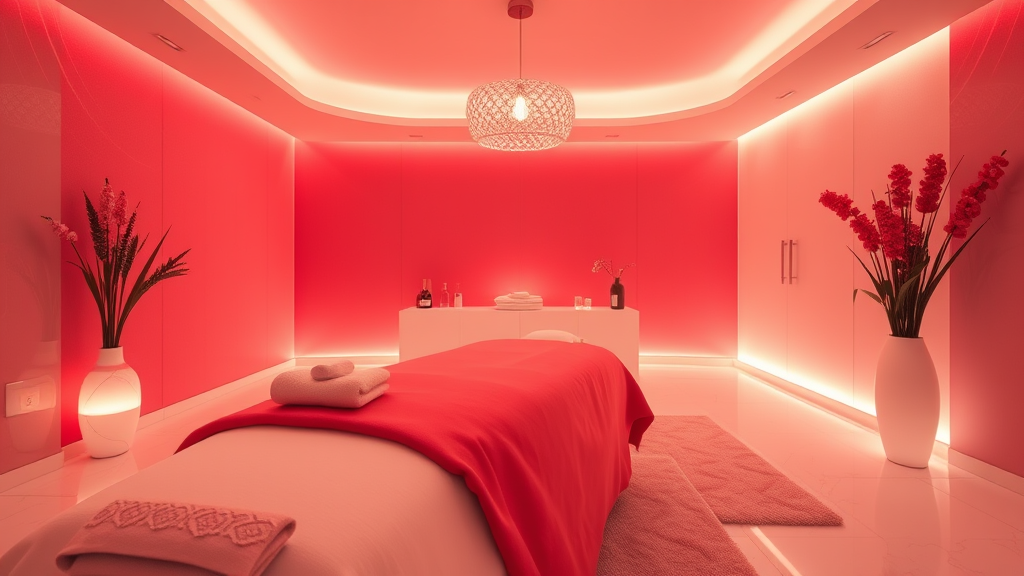
In our fast-paced world, finding effective, non-invasive treatments for pain relief, skin health, and overall wellness has become more crucial than ever. Red light therapy has emerged as a promising therapeutic approach that’s gaining recognition in both medical and wellness communities. This innovative treatment harnesses the power of specific wavelengths of light to potentially promote healing, reduce inflammation, and support cellular regeneration at the deepest levels.
If you’ve been searching for “red light therapy near me,” you’re not alone. Thousands of people are discovering the transformative potential of this gentle yet powerful therapy. Whether you’re dealing with chronic pain, skin concerns, muscle recovery issues, or simply seeking to optimize your overall health, understanding red light therapy and finding quality providers in your area can be a game-changing step toward better wellness.
What is Red Light Therapy?
Red light therapy, also known as photobiomodulation or low-level laser therapy, is a non-invasive treatment that uses specific wavelengths of red and near-infrared light to stimulate cellular processes. This therapeutic approach typically employs light wavelengths between 660 to 850 nanometers, which can penetrate skin tissue and potentially influence cellular function at the mitochondrial level.
Unlike harsh laser treatments used in some medical procedures, red light therapy uses gentle, non-thermal light that doesn’t damage skin or tissue. The treatment involves exposing targeted areas of the body to LED panels or laser devices that emit these specific wavelengths for predetermined periods, typically ranging from 10 to 20 minutes per session.
The therapy has its roots in NASA research from the 1990s, where scientists discovered that certain wavelengths of light could promote plant growth and wound healing in space environments. This research laid the foundation for understanding how light therapy might benefit human health, leading to extensive clinical studies and the development of therapeutic devices now used in medical and wellness settings worldwide.
The Science Behind Red Light Therapy
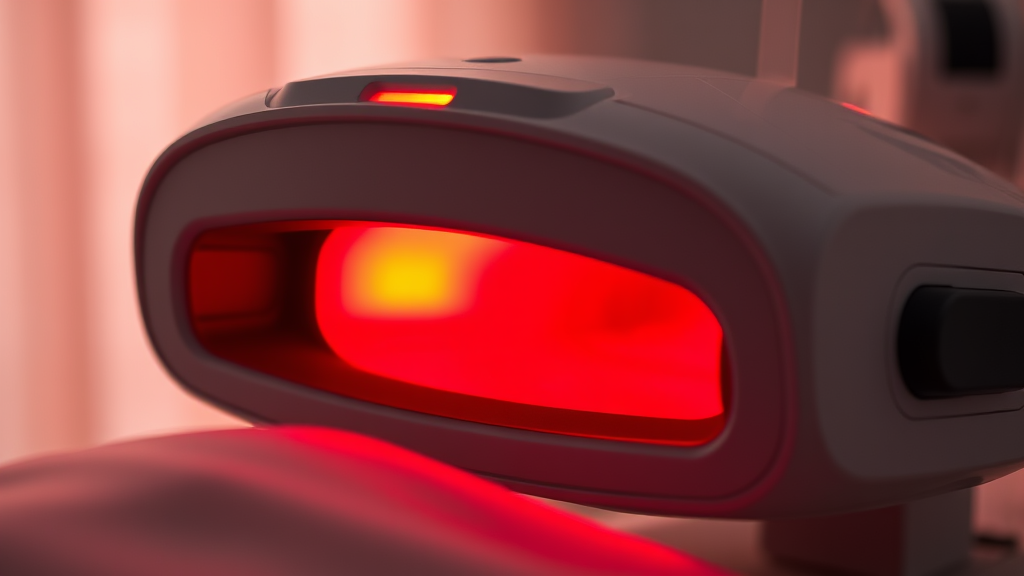
The effectiveness of red light therapy lies in its ability to interact with cellular components, particularly mitochondria – often called the “powerhouses” of our cells. When specific wavelengths of red and near-infrared light penetrate tissue, they’re absorbed by chromophores within mitochondria, specifically cytochrome c oxidase.
This interaction potentially triggers a cascade of beneficial cellular processes. Research suggests that red light therapy may increase adenosine triphosphate (ATP) production, which is the primary energy currency of cells. Enhanced ATP production can lead to improved cellular function, faster tissue repair, and reduced inflammation. Additionally, the therapy may stimulate the production of collagen, improve blood circulation, and promote the release of nitric oxide, which supports vascular health.
According to a comprehensive review published in the National Center for Biotechnology Information, photobiomodulation therapy has demonstrated significant therapeutic potential across various conditions, from wound healing to neurological disorders. The research indicates that the therapy’s effectiveness depends on proper dosing parameters, including wavelength, power density, and treatment duration.
Proven Health Benefits
Clinical research has identified numerous potential benefits of red light therapy across various health conditions. Pain management represents one of the most well-documented applications, with studies showing significant improvements in conditions such as arthritis, fibromyalgia, and chronic back pain. The therapy’s anti-inflammatory properties may help reduce swelling and discomfort while promoting natural healing processes.
Skin health benefits are equally impressive, with research demonstrating improvements in wound healing, acne reduction, and anti-aging effects. The Mayo Clinic acknowledges light therapy as a viable treatment option for various skin conditions, noting its potential to stimulate collagen production and improve skin texture.
For individuals dealing with muscle recovery and sports-related injuries, red light therapy may accelerate healing times and reduce muscle fatigue. Athletes and fitness enthusiasts often incorporate these treatments into their recovery routines to maintain peak performance. Some research also suggests potential benefits for mental health, with certain studies indicating improvements in seasonal affective disorder and sleep quality.
Physical therapy applications are particularly noteworthy, as many physical therapy treatments now incorporate red light therapy as an adjunctive treatment. This integration can be especially beneficial for complex conditions requiring comprehensive rehabilitation approaches.

Finding Red Light Therapy Providers Near You
Locating quality red light therapy providers in your area requires research and careful consideration of various factors. Start by consulting with your primary healthcare provider, who may be able to recommend reputable clinics or practitioners in your region. Many dermatologists, physical therapists, and integrative medicine practitioners now offer red light therapy as part of their treatment options.
Online directories and professional association websites can be valuable resources for finding certified providers. Look for practitioners who are licensed healthcare professionals or work under medical supervision. Many wellness centers, spa facilities, and specialized light therapy clinics also offer these services, though it’s important to verify their credentials and equipment quality.
When researching providers, consider their experience with red light therapy, the type of equipment they use, and their approach to treatment planning. Reputable providers should be able to explain the science behind their treatments, discuss expected outcomes, and provide information about safety protocols. Reading online reviews and testimonials can provide insights into other patients’ experiences, though remember that individual results may vary.
What to Expect During Treatment
Your first red light therapy session typically begins with a consultation where the provider assesses your health history, discusses your goals, and explains the treatment process. Most sessions are comfortable and relaxing, lasting between 10 to 20 minutes depending on the treatment area and condition being addressed.
During treatment, you’ll be positioned comfortably while LED panels or handheld devices deliver targeted light to specific areas of your body. The light feels warm but not hot, and most people find the experience pleasant and soothing. You may be asked to wear protective eyewear if treatment areas are near your face, though this varies depending on the specific equipment and protocols used.
Treatment frequency varies based on individual needs and conditions being addressed. Some people may benefit from daily sessions initially, while others might need treatments 2-3 times per week. Your provider should develop a personalized treatment plan based on your specific situation and monitor your progress throughout the course of therapy.
Many people notice improvements after several sessions, though the timeline for results varies significantly among individuals. Some may experience benefits within days, while others might need several weeks of consistent treatment to see optimal results. Keeping a symptom diary can help track your progress and communicate effectively with your provider about your response to treatment.
Choosing the Right Provider
Selecting the right red light therapy provider is crucial for safe and effective treatment. Look for providers who use FDA-cleared devices and follow established safety protocols. Medical professionals such as dermatologists, physical therapists, or physicians with specialized training in photobiomodulation therapy often provide the highest level of care and expertise.
Ask potential providers about their training and certification in red light therapy. Reputable practitioners should be able to discuss the scientific basis for their treatments, explain how they determine appropriate dosing parameters, and provide information about expected outcomes and potential side effects. They should also conduct thorough health assessments before beginning treatment to ensure red light therapy is appropriate for your specific situation.
Facility cleanliness and equipment maintenance are important considerations. Professional-grade devices should be regularly calibrated and maintained to ensure optimal performance and safety. The treatment environment should be clean, comfortable, and professional, with staff who can answer your questions knowledgeably and provide ongoing support throughout your treatment course.
Cost Considerations and Insurance
Red light therapy costs vary significantly depending on location, provider type, and treatment frequency. Individual sessions typically range from $25 to $85, with package deals often available for multiple sessions. Some providers offer monthly memberships or bulk pricing that can reduce per-session costs for ongoing treatment.
Insurance coverage for red light therapy is limited and varies by provider and specific medical conditions being treated. While some insurance plans may cover treatments when performed by licensed healthcare professionals for specific medical conditions, many wellness and cosmetic applications are considered elective and not covered. Contact your insurance provider to understand your specific coverage options.
When evaluating costs, consider the potential long-term benefits and compare them to other treatment options. Many people find that red light therapy provides good value when compared to ongoing medication costs, frequent massage therapy, or other wellness treatments. Some providers offer payment plans or financing options to make treatment more accessible.
For comprehensive wellness support, consider exploring additional resources available through platforms like our blog, which provides evidence-based information about various therapeutic approaches and wellness strategies.
Frequently Asked Questions
Is red light therapy safe for everyone?
Red light therapy is generally considered safe for most people when performed by qualified providers using appropriate equipment. However, certain individuals should exercise caution or avoid treatment, including pregnant women, people taking photosensitizing medications, and those with certain skin conditions or cancers. Always consult with a healthcare provider before beginning red light therapy, especially if you have underlying health conditions or are taking medications.
How long does it take to see results from red light therapy?
Results from red light therapy vary significantly among individuals and depend on the condition being treated. Some people notice improvements within a few sessions, while others may need several weeks of consistent treatment. Acute conditions like minor injuries might respond more quickly, while chronic conditions typically require longer treatment courses. Most providers recommend a minimum of 6-12 sessions to properly evaluate effectiveness.
Can I do red light therapy at home?
Home red light therapy devices are available and can be effective for certain applications, though they typically have lower power output than professional-grade equipment. If you choose to use home devices, research products carefully, follow manufacturer instructions precisely, and consider consulting with a healthcare provider first. Professional treatments often provide more powerful and targeted therapy, especially for complex conditions.
How often should I receive red light therapy treatments?
Treatment frequency depends on your specific condition, goals, and provider recommendations. Initial treatment phases might involve daily sessions or treatments 3-4 times per week, gradually reducing to maintenance sessions as improvements occur. Your provider should develop a personalized schedule based on your response to treatment and specific needs.
Are there any side effects of red light therapy?
Red light therapy is generally well-tolerated with minimal side effects when performed correctly. Some people may experience temporary eye strain if proper eye protection isn’t used, mild headaches, or temporary fatigue. Skin irritation is rare but possible in sensitive individuals. Serious side effects are uncommon when treatment is provided by qualified practitioners using appropriate protocols.
What conditions can red light therapy help treat?
Research supports red light therapy for various conditions including chronic pain, arthritis, wound healing, skin conditions like acne and signs of aging, muscle recovery, and certain inflammatory conditions. The Psychology Today resource center notes its potential benefits for seasonal affective disorder and mood support as well. However, it’s important to have realistic expectations and work with qualified providers to determine if red light therapy is appropriate for your specific situation.
How do I know if a red light therapy provider is reputable?
Look for providers who are licensed healthcare professionals or work under medical supervision, use FDA-cleared devices, and can provide clear information about their training and experience. Reputable providers should conduct thorough health assessments, explain treatment protocols, discuss expected outcomes honestly, and maintain clean, professional facilities. Check credentials, read reviews, and don’t hesitate to ask questions about their approach and experience with red light therapy.