
How Does Mindfulness Boost Mental Health? Studies Say
Mindfulness has emerged as one of the most scientifically validated approaches to improving mental health in recent decades. Rather than being a fleeting wellness trend, mindfulness-based interventions have demonstrated measurable impacts on anxiety, depression, stress, and overall psychological well-being across numerous peer-reviewed studies. Understanding how mindfulness works at both neurological and behavioral levels can help individuals make informed decisions about incorporating these practices into their mental health routines.
The growing body of research supporting mindfulness comes from prestigious institutions worldwide, with healthcare providers increasingly recommending mindfulness techniques alongside traditional therapy options. Whether you’re exploring mindfulness for the first time or seeking to deepen an existing practice, this comprehensive guide examines the scientific evidence behind mindfulness and its transformative effects on mental health.
What Is Mindfulness and How Does It Work
Mindfulness is the practice of maintaining moment-to-moment awareness of our thoughts, feelings, bodily sensations, and surrounding environment without judgment. Rather than attempting to suppress or control mental experiences, mindfulness involves observing them with curiosity and acceptance. This non-reactive awareness represents a fundamental shift from the automatic, habitual thinking patterns that often perpetuate stress and mental health challenges.
The mechanism through which mindfulness promotes mental health operates on several levels simultaneously. At the cognitive level, mindfulness helps individuals recognize unhelpful thought patterns before they escalate into rumination or catastrophizing. At the physiological level, regular mindfulness practice activates the parasympathetic nervous system, which counteracts the stress response and promotes relaxation. Additionally, mindfulness cultivates emotional regulation skills by creating space between stimulus and response, allowing individuals to choose their reactions rather than operating on autopilot.
Research from the American Psychological Association highlights that mindfulness operates through attention regulation, body awareness, emotion regulation, and perspective-taking mechanisms. These interconnected processes work together to reduce mental suffering and increase psychological resilience. Many mental health professionals now integrate mindfulness into comprehensive treatment plans, sometimes alongside traditional physical therapy and other therapeutic modalities.

The Neuroscience Behind Mindfulness
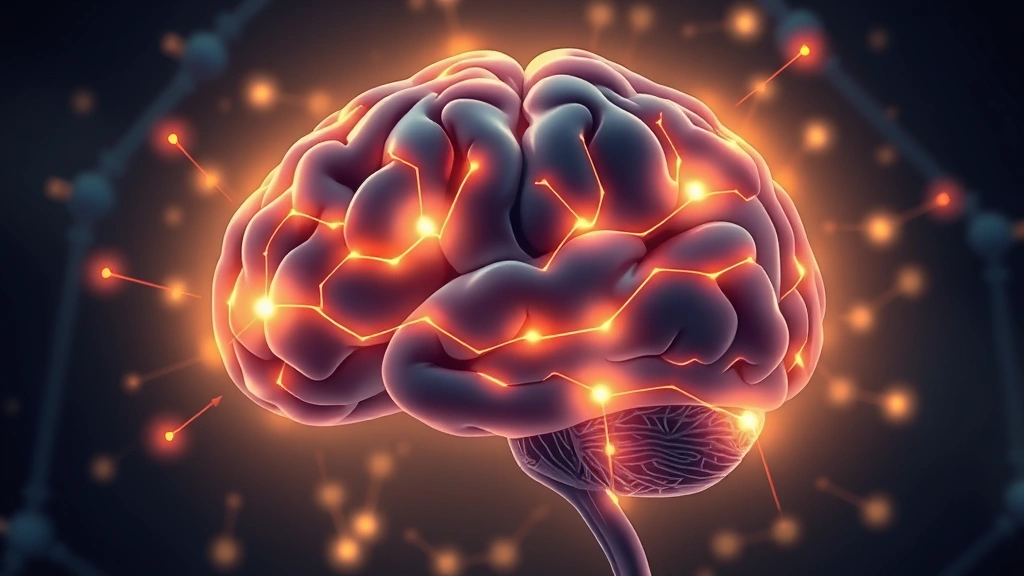
Neuroimaging studies have revealed that mindfulness practice produces measurable changes in brain structure and function. One of the most significant findings involves the amygdala, the brain region responsible for processing fear and emotional responses. Regular mindfulness practitioners show reduced amygdala activity and decreased gray matter density in this region, correlating with lower anxiety and stress reactivity.
The prefrontal cortex, which governs executive function, decision-making, and emotional regulation, shows increased activation and gray matter density in individuals who practice mindfulness regularly. This strengthening of the prefrontal cortex enhances the brain’s capacity to regulate emotions and make deliberate choices rather than react impulsively. Furthermore, mindfulness practice increases activity in brain regions associated with self-awareness and introspection, including the anterior insula and medial prefrontal cortex.
A landmark study published by researchers at Massachusetts General Hospital demonstrated that eight weeks of mindfulness-based stress reduction produced measurable increases in gray matter concentration in the hippocampus, a region crucial for learning and memory. Simultaneously, participants showed decreased gray matter density in the amygdala, directly supporting the anxiety-reduction benefits reported by practitioners. These neurobiological changes persist and strengthen with continued practice, suggesting that mindfulness creates lasting beneficial modifications to brain architecture.
Mindfulness and Anxiety Reduction
Anxiety disorders represent some of the most common mental health conditions, affecting millions of individuals worldwide. Mindfulness-based approaches have emerged as highly effective interventions for generalized anxiety disorder, panic disorder, and social anxiety. The mechanism operates through several pathways: mindfulness reduces the tendency to worry about future events, decreases hypervigilance to threat cues, and breaks the cycle of anxious thoughts feeding anxious feelings.
When individuals experience anxiety, their minds typically become fixated on worst-case scenarios and potential threats. Mindfulness training teaches people to observe anxious thoughts as temporary mental events rather than absolute truths or predictions. This shift in perspective, known as cognitive defusion, significantly reduces the power of anxious thoughts to generate physiological anxiety responses. Research indicates that individuals who practice mindfulness show reduced activation of the amygdala when exposed to anxiety-provoking stimuli, suggesting improved emotional regulation.
Clinical trials comparing mindfulness-based stress reduction to traditional cognitive-behavioral therapy have found comparable effectiveness for anxiety disorders, with some studies indicating that mindfulness may produce more sustained benefits over time. The advantage of mindfulness lies partly in its accessibility—individuals can practice mindfulness anywhere, anytime, without requiring specialized equipment or professional intervention, making it an excellent complement to professional speech therapy or other therapeutic services.
Depression Management Through Mindfulness
Depression often involves rumination—repetitive, focused attention on depressive thoughts, feelings, and their causes or consequences. This rumination perpetuates depression by reinforcing negative self-perceptions and hopelessness. Mindfulness-based cognitive therapy specifically targets this mechanism by training individuals to observe depressive thoughts without engaging with them or attempting to change them through force of will.
Mindfulness-based cognitive therapy, originally developed to prevent depression relapse, combines mindfulness meditation with cognitive therapy principles. This approach teaches individuals to recognize the early warning signs of depression and respond with mindfulness rather than habitual coping strategies that may worsen mood. Research demonstrates that mindfulness-based cognitive therapy reduces depression relapse rates by approximately 50% in individuals with recurrent depression, comparing favorably to maintenance antidepressant medication.
The mechanism through which mindfulness alleviates depression involves several factors. First, mindfulness increases behavioral activation by helping individuals notice when they’ve withdrawn from valued activities and gently encouraging re-engagement. Second, mindfulness improves emotion regulation by reducing the tendency to suppress or ruminate about sad feelings. Third, mindfulness cultivates self-compassion, directly counteracting the harsh self-criticism that characterizes depressive thinking. For individuals seeking comprehensive mental health support, mindfulness can integrate well with professional occupational therapy approaches and other evidence-based treatments.
Stress Reduction and Cortisol Levels
Chronic stress represents a significant risk factor for numerous physical and mental health conditions. When the body perceives threat, it activates the hypothalamic-pituitary-adrenal axis, triggering the release of cortisol and adrenaline. While this stress response proves helpful for acute threats, chronic activation of this system leads to elevated baseline cortisol levels, which impair immune function, disrupt sleep, and exacerbate anxiety and depression.
Mindfulness practice directly counteracts this stress response by activating the parasympathetic nervous system, sometimes called the “rest and digest” system. This activation signals to the body that the perceived threat has passed, allowing cortisol levels to normalize. Research measuring cortisol levels in mindfulness practitioners has consistently found reduced baseline cortisol and diminished cortisol reactivity to stressors. A study published in Psychoneuroendocrinology found that individuals completing an eight-week mindfulness program showed significantly lower salivary cortisol levels compared to control groups.
The stress-reduction benefits of mindfulness extend beyond cortisol modulation. Mindfulness practice reduces heart rate variability, blood pressure, and inflammatory markers, all indicators of chronic stress. Additionally, mindfulness improves sleep quality, which further reduces stress and supports immune function. These interconnected physiological improvements explain why individuals practicing mindfulness often report feeling calmer, more resilient, and better equipped to handle life challenges. When combined with professional mental health support through red light therapy and other modalities, mindfulness creates a comprehensive stress-management approach.
Mindfulness in Clinical Settings
Mental health professionals increasingly incorporate mindfulness into clinical practice, recognizing its evidence-based benefits and complementary nature to other therapeutic approaches. Mindfulness-based stress reduction programs operate in hospitals, clinics, and community mental health centers worldwide. These structured eight-week programs teach formal meditation practices, body scan exercises, and yoga, providing participants with skills they can practice independently.
Clinical psychologists integrate mindfulness into cognitive-behavioral therapy, dialectical behavior therapy, and acceptance and commitment therapy. This integration allows therapists to address the cognitive and behavioral aspects of mental health challenges while also teaching clients to observe and accept difficult internal experiences. Research from the National Institute of Mental Health supports the efficacy of mindfulness-based interventions for anxiety, depression, and trauma-related disorders.
Healthcare systems recognize the cost-effectiveness of mindfulness interventions, as they reduce healthcare utilization and improve treatment outcomes. Insurance companies increasingly cover mindfulness-based stress reduction programs, acknowledging their clinical validity. Mental health professionals often recommend that patients access resources through the MindLift Daily Blog therapy resources to supplement their clinical treatment and deepen their mindfulness practice between sessions.
Practical Mindfulness Techniques
Implementing mindfulness into daily life requires learning specific techniques and establishing consistent practice. The most foundational technique involves focused attention meditation, where practitioners direct attention to the breath, observing its natural rhythm without attempting to control it. When the mind wanders, as it inevitably does, individuals gently return attention to the breath without self-criticism. This simple practice trains attention and teaches the mind to observe thoughts without engagement.
Body scan meditation represents another essential technique where practitioners systematically direct attention through different body regions, noticing sensations without judgment. This practice increases interoceptive awareness—the ability to perceive internal bodily states—which supports emotional regulation and early detection of stress responses. Progressive muscle relaxation often accompanies body scans, combining mindfulness with gentle muscle tension and release.
Mindful walking brings mindfulness into movement by directing full attention to the physical sensations of walking, the environment, and breathing. This technique proves particularly valuable for individuals who struggle with sitting meditation or those seeking to integrate mindfulness into daily routines. Eating meditation, where practitioners slowly consume food while attending to taste, texture, and sensation, cultivates mindfulness during routine activities.
Loving-kindness meditation specifically addresses emotional regulation and self-compassion by directing well-wishes toward oneself and others. This practice counters the self-criticism and rumination characteristic of depression and anxiety. Research demonstrates that loving-kindness meditation increases positive emotions, reduces self-judgment, and enhances emotional resilience. Many individuals find that loving-kindness meditation produces more noticeable emotional benefits than breath-focused meditation, making it an excellent entry point for mindfulness practice.
Establishing a consistent practice requires starting small—even five to ten minutes daily produces measurable benefits. Many individuals find that using guided meditation recordings, meditation apps, or attending group classes increases consistency and provides structure. The key involves treating mindfulness as a skill requiring practice rather than a state one achieves perfectly, embracing patience and self-compassion throughout the learning process.
Integrating Mindfulness with Professional Support
While mindfulness offers substantial mental health benefits, it works most effectively as part of comprehensive mental health care rather than as a replacement for professional treatment. Individuals with severe mental health conditions including bipolar disorder, psychosis, or acute suicidality require professional psychiatric and psychological support. However, mindfulness can meaningfully complement these professional treatments, enhancing their effectiveness and supporting recovery.
Mental health professionals can guide individuals in adapting mindfulness practices to their specific conditions and needs. Some individuals with trauma may find certain meditation practices triggering, requiring modifications or alternative approaches. Therapists trained in mindfulness can help clients navigate these challenges while building a safe, sustainable practice. For individuals exploring therapy options, understanding how mindfulness integrates with different therapy costs and formats helps inform treatment decisions.
The most effective mental health approach for many individuals combines evidence-based psychotherapy with mindfulness practice and, when appropriate, psychiatric medication. This integrated approach addresses mental health challenges through multiple complementary mechanisms. Mindfulness teaches skills for managing symptoms and improving quality of life, while psychotherapy addresses underlying patterns and trauma, and medication manages neurochemical imbalances when necessary. Regular practice of mindfulness strengthens these therapeutic gains, supporting long-term mental health and resilience.
Individuals seeking to deepen their mindfulness practice can explore specialized programs including mindfulness-based cognitive therapy for depression, mindfulness-based stress reduction for anxiety and chronic pain, and dialectical behavior therapy skills training that incorporates mindfulness. Professional guidance ensures that individuals develop safe, effective practices tailored to their unique circumstances and mental health goals.
FAQ
How long does it take to see mindfulness benefits?
Research indicates that individuals often notice measurable improvements in stress, anxiety, and mood within 2-4 weeks of consistent daily practice, typically ten to twenty minutes per day. However, the most substantial neurological changes and sustained psychological benefits emerge after eight weeks or longer of regular practice. Individual variation exists, with some people experiencing rapid benefits while others require extended practice before noticing significant changes.
Can mindfulness replace psychiatric medication?
Mindfulness works most effectively as a complement to, rather than replacement for, psychiatric medication and professional treatment. While mindfulness significantly reduces symptoms of anxiety and depression, individuals with moderate to severe mental health conditions typically require medication and psychotherapy. Individuals currently taking psychiatric medication should consult their prescribing physician before making any changes, as mindfulness and medication can work synergistically to improve outcomes.
What’s the difference between mindfulness and meditation?
Meditation represents a formal practice involving sitting quietly and directing attention inward, while mindfulness encompasses a broader approach to living with awareness and presence throughout daily activities. Meditation serves as one method for cultivating mindfulness, but mindfulness can also be practiced informally during routine activities like eating, walking, or washing dishes. Both meditation and informal mindfulness practice produce mental health benefits.
Is mindfulness effective for severe anxiety or panic attacks?
Mindfulness proves effective for generalized anxiety and anxiety management, with research supporting its use for anxiety disorders. However, during acute panic attacks, individuals typically benefit from specific grounding techniques and breathing exercises alongside mindfulness. Mental health professionals can teach tailored approaches combining mindfulness with other evidence-based anxiety management strategies. For severe anxiety, professional support remains important alongside mindfulness practice.
How do I know if I’m practicing mindfulness correctly?
There is no perfect mindfulness practice—the goal involves noticing your experience without judgment rather than achieving a particular mental state. Correct practice simply means showing up with intention and gently returning attention when the mind wanders. If you’re noticing your thoughts and feelings without getting caught in them, you’re practicing mindfulness effectively. Many individuals benefit from working with experienced teachers or using guided recordings to develop confidence in their practice.